 Free Shipping Order from 100 AUD
Introduction
The Legend of Zelda is one of the most influential and beloved video game franchises in history. Created by Nintendo, the series has captivated generations of players with its imaginative worlds, memorable characters, challenging puzzles, exciting adventures, and timeless storytelling.
Since the original game debuted in 1986, The Legend of Zelda has evolved through numerous generations of consoles while maintaining the core elements that make the franchise special. From exploring the classic overworld of Hyrule to discovering enormous open worlds in Breath of the Wild and Tears of the Kingdom, every era has offered fans a new way to experience the legendary adventures of Link.
The World of Hyrule
At the heart of The Legend of Zelda is the kingdom of Hyrule, a fantasy world filled with ancient ruins, mysterious forests, dangerous dungeons, peaceful villages, mountains, deserts, and magical locations.
Although Hyrule changes significantly between games, many familiar locations and concepts return throughout the series. Players may encounter iconic areas such as Death Mountain, Lake Hylia, the Lost Woods, Gerudo Desert, and Hyrule Castle.
Exploration is one of the defining characteristics of the franchise. Players are encouraged to investigate suspicious locations, discover hidden treasures, solve environmental puzzles, and uncover secrets that are not always immediately obvious.
Link: The Hero of Hyrule
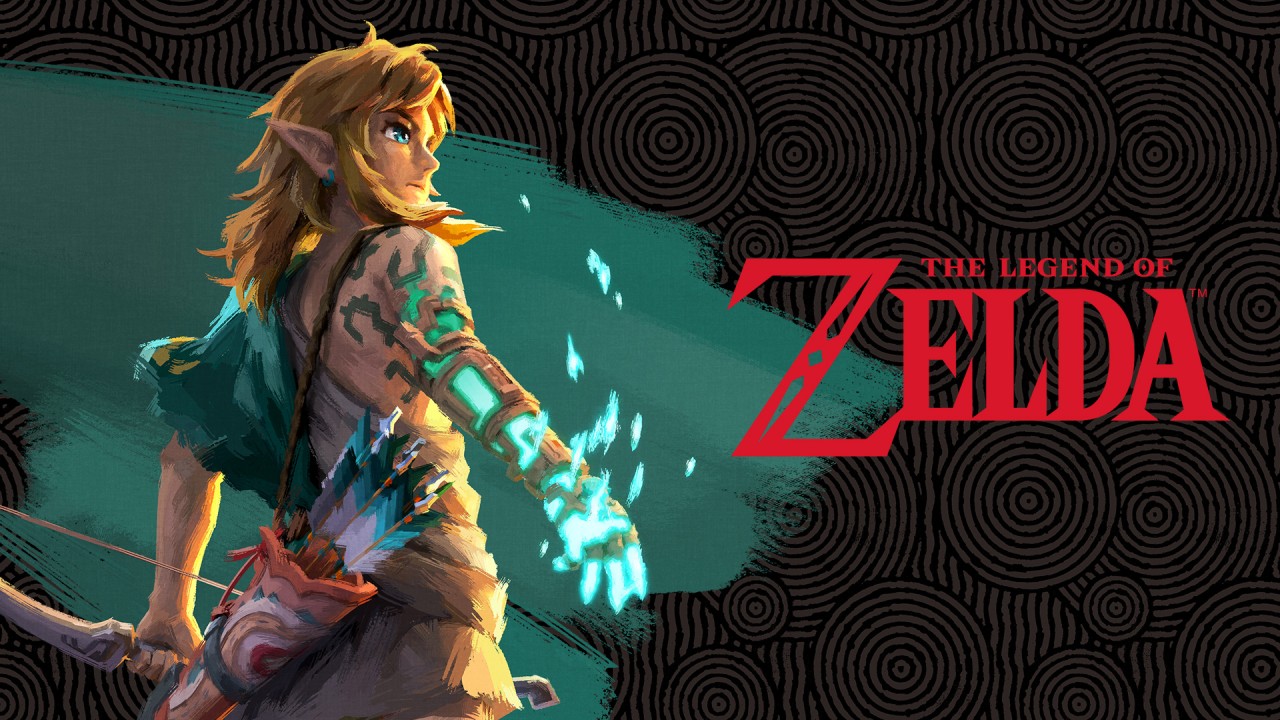
Link is the central protagonist of The Legend of Zelda series.
Although different games feature different incarnations of Link, he is generally portrayed as a courageous hero who becomes involved in protecting Hyrule and its people.
Link’s most recognizable equipment includes:
- Master Sword
- Hylian Shield
- Bow and arrows
- Boomerang
- Bombs
- Hookshot
- Various magical items
His appearance and abilities can change between games, but his adventurous spirit and determination remain central to the franchise.
Princess Zelda
Despite the franchise’s title, Princess Zelda is not simply a character waiting to be rescued.
Across the series, Zelda has appeared as a princess, scholar, warrior, leader, and powerful wielder of magical abilities. Her role varies depending on the game’s story, but she is consistently connected to Hyrule’s history and the mysterious Triforce.
Modern games have expanded Zelda’s characterization, giving her greater independence and making her an increasingly important part of the overall narrative.
Ganon and the Forces of Evil
One of the most recognizable villains in the series is Ganon, also known as Ganondorf in several games.
Ganondorf is often portrayed as a powerful antagonist seeking control over Hyrule and the Triforce. His rivalry with Link and Zelda has become one of the defining conflicts of the franchise.
However, The Legend of Zelda features many other memorable enemies and villains, including Vaati, Zant, Ghirahim, Majora, and various powerful creatures associated with individual games.
The Triforce
The Triforce is one of the most recognizable symbols in The Legend of Zelda.
Consisting of three golden triangles, it represents three fundamental virtues:
- Power
- Wisdom
- Courage
These qualities are traditionally associated with Ganondorf, Zelda, and Link respectively.
The Triforce serves as both a powerful artifact and an important storytelling symbol, representing the balance between the central characters and the forces shaping Hyrule.
The Evolution of The Legend of Zelda
The franchise has changed dramatically throughout its history.
The Original Legend of Zelda
Released in 1986, the first game established many concepts that would become essential to the series, including exploration, dungeons, puzzles, weapons, and hidden secrets.
A Link to the Past
A Link to the Past expanded the formula with a more sophisticated narrative, memorable dungeon design, and the concept of parallel worlds.
Ocarina of Time
Ocarina of Time became one of the most influential 3D games ever released. Its transition into three-dimensional gameplay transformed how players interacted with the world of Hyrule.
The Wind Waker
The Wind Waker introduced a distinctive cel-shaded art style and an enormous ocean-based world filled with islands and exploration.
Twilight Princess
Twilight Princess offered a darker visual style and a more mature atmosphere while introducing memorable characters and locations.
Breath of the Wild
Breath of the Wild fundamentally changed the traditional Zelda formula by introducing a massive open world and giving players unprecedented freedom.
Instead of following a strict sequence, players could explore Hyrule, experiment with physics, solve puzzles creatively, and approach major objectives in different ways.
Tears of the Kingdom
Tears of the Kingdom expanded the open-world concept even further with new abilities, sky islands, underground environments, and creative building mechanics.
The game demonstrated how the franchise could continue evolving while maintaining its recognizable identity.
Iconic Items and Gameplay
Items are an essential part of the Zelda experience.
The Master Sword remains the franchise’s most recognizable weapon, while other recurring items such as bombs, bows, shields, and magical tools provide different ways to solve puzzles and defeat enemies.
One of the most satisfying aspects of Zelda gameplay is discovering a new item inside a dungeon and then realizing that it can be used to access previously unreachable areas.
This combination of exploration, puzzle-solving, combat, and discovery has become a defining feature of the franchise.
The Legend of Zelda Merchandise
The popularity of The Legend of Zelda has created a huge market for merchandise and collectibles.
Fans can find products inspired by different generations of the franchise, including:
- Graphic T-shirts
- Hoodies
- Sweatshirts
- Hats
- Posters
- Figures
- Plush toys
- Keychains
- Jewelry
- Phone cases
- Bags
- Collectible accessories
Popular designs often feature Link, Zelda, Ganondorf, the Triforce, the Master Sword, Hyrule symbols, and memorable locations from individual games.
For collectors, merchandise can also be categorized by specific titles such as Ocarina of Time, Majora’s Mask, The Wind Waker, Twilight Princess, Breath of the Wild, and Tears of the Kingdom.
Why The Legend of Zelda Remains Popular
After decades, The Legend of Zelda continues to attract new generations of players because it successfully combines adventure with discovery.
The franchise gives players a sense of freedom while encouraging curiosity. Hidden caves, secret passages, mysterious characters, powerful weapons, and unexpected puzzles make exploration rewarding.
At the same time, its recurring characters, symbols, music, and mythology create a familiar foundation that longtime fans can instantly recognize.
Conclusion
The Legend of Zelda is more than a long-running video game franchise. It is a cultural phenomenon that has influenced game design, storytelling, music, art, and generations of players.
From the original 1986 adventure to the expansive worlds of Breath of the Wild and Tears of the Kingdom, each era of the franchise has added something new while preserving the spirit of exploration that made Zelda famous.
With its unforgettable characters, iconic symbols, imaginative worlds, and enormous fan community, The Legend of Zelda remains one of Nintendo’s most enduring franchises and a favorite source of inspiration for gamers and collectors around the world.
If you are a fan of The Legend of Zelda in Australia, you can shop exclusive The Legend of Zelda merch & gifts at Zelda AU Store, the perfect place for every Australia fan.
